My Research
AI, NLP & Machine Learning
My research focuses on artificial intelligence, machine learning, and data-driven solutions to real-world problems.
Here is the research project I led during my graduate studies.
Natural Language Processing (NLP) for low-resource languages presents unique challenges due to limited datasets, dialectal variations, and lack of standardized tools. Developing AI solutions for such languages requires creative approaches to handle data scarcity, noise, and linguistic diversity. My research focused on applying advanced NLP techniques to address these challenges and create practical solutions for real-world communication in Sri Lanka.
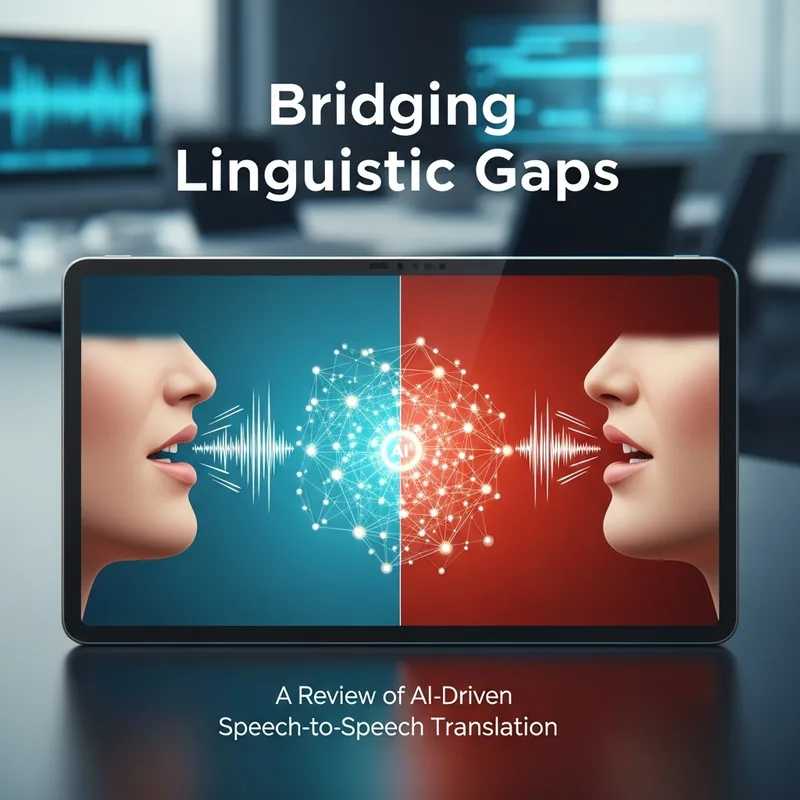
Next-Generation Noisy Robust Speech Translation System
Supervisor: Dr. Madusha Chandrasena, PhD · University of Kelaniya
I worked on a Next-Generation Noisy Robust Speech Translation system focused on enabling communication between Sinhala and Tamil speakers in Sri Lanka.
Background & Motivation
Sri Lanka is a multi-lingual nation where language is key in communication, governance, education, and delivery of services. Sinhala and Tamil are official languages, yet their main users belong to different ethnic groups. Monolingual speech represents a high percentage of the population, leading frequently to a breakdown of communication.
Most available real-time translation tools are created for high-resource languages (e.g., English, Spanish, or Chinese). These shortcomings render existing tools less efficient and less applicable in Sri Lanka.
Research Challenges
The major limitation in building Sinhala and Tamil speech translation systems is creating large datasets of high-quality annotations. As low-resource languages, they lack the digital infrastructure needed to develop stable models of Automatic Speech Recognition (ASR), Machine Translation (MT), and Text-to-Speech (TTS).
Another central drawback is poor model performance in background noise. Background noise limits ASR accuracy in hospitals, markets, and transit systems where dialect diversity intersects with unpredictable noise profiles.
These constraints demanded that speech translation solutions designed for Sri Lanka be explicitly robust against noise. This project resolves these issues by analyzing real-life environmental conditions, directly improving multilingual communication robustness across Sri Lanka.